INNOVATION
Green Fertilizer Flows Into the American Corn Belt
A Minnesota cooperative partners with TalusAg to launch the first modular, green ammonia facilities for stable, local fertilizer production
22 Apr 2026
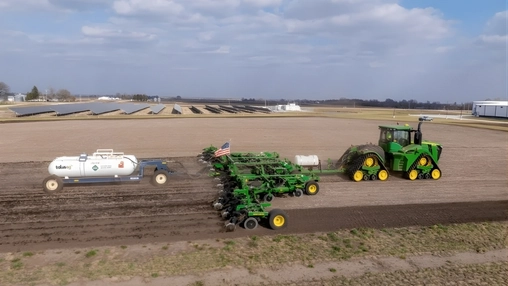
Central Farm Service, a Minnesota-based agricultural cooperative, has partnered with technology provider TalusAg to establish the first local green ammonia production sites in the US Corn Belt. The project, announced in early March, involves the installation of two modular facilities in Blue Earth, Minnesota, designed to supply fertilizer directly to the cooperative's members.
The initiative marks a shift toward decentralized manufacturing in a sector historically dependent on large-scale industrial hubs. Each "Talus10" unit utilizes renewable electricity, water, and air to produce up to 20 tons of ammonia daily. Combined, the units are expected to meet over two-thirds of the annual requirements for the cooperative’s 4,500 members across southern Minnesota and northern Iowa, covering approximately 100,000 acres of farmland.
The move follows a period of extreme price instability in the nitrogen fertilizer market. Domestic ammonia prices have fluctuated by more than 300 per cent in recent years, largely due to volatility in natural gas markets, the primary feedstock for traditional production, and geopolitical tensions affecting global trade routes. By localized production, the cooperative aims to mitigate logistics costs and bypass the vulnerabilities of international supply chains.
The project has gained institutional support from PepsiCo, which views the facility as a component of its broader agricultural decarbonization goals. It follows a successful pilot program by TalusAg in Iowa last year and a separate commercial-scale plant currently under construction in Eagle Grove.
Future expansion remains contingent on regulatory and financial milestones. The partners are seeking infrastructure funding from Minnesota’s Renewable Development Account, with a legislative decision anticipated later this year. To ensure the environmental integrity of the output, CleanCounts will manage the certification of the ammonia through energy attribute certificates. If the Blue Earth model proves commercially viable, it may provide a template for similar localized energy and chemical production across other major agricultural regions.
Related News


SUBSCRIBE FOR UPDATES
By submitting, you agree to receive email communications from the event organizers, including upcoming promotions and discounted tickets, news, and access to related events.